Pre-scoped pilot
What we're proposing,
before you ask.
Written like a contract appendix, not a sales sheet. Small by design, milestone-led, falsifiable.
The pilot, on one plate.
Print this spec ↓Scope
1–3 flagship clubs. Selected jointly with Life Time wellness leadership. Intentionally narrow so the pilot answers a clean question instead of producing diffuse activity.
Duration
8–12 weeks. Long enough to capture repeat behavior and pre/post deltas; short enough that the next decision lands inside one operating quarter.
Member cohort
40–120 members per club, recruited via existing wellness touchpoints. Eligibility limited to members with screen-intensive work or self-reported visual fatigue, operationalized via the Umay ECIQ self-assessment (eyecomfort.org) — eye discomfort, sleep quality, and stress on a 0–100 scale.Pilot-design range; final N set jointly with Life Time before pre-registration.
Intervention
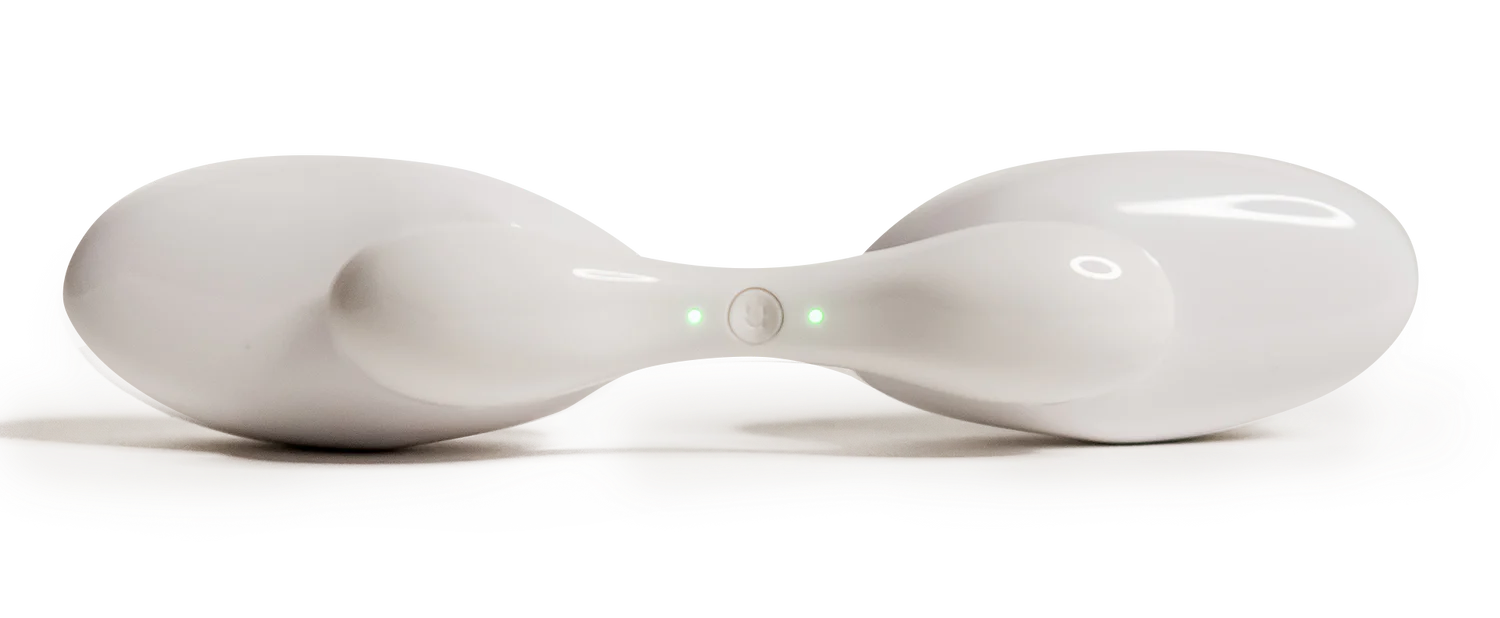
Umay closed-loop ocular recovery protocol. 10-minute periocular thermal session, member-paced, used at home or in-club lounge. No app required for the protocol itself.
Measurement
Pre/post measurement via RestScan (browser-based, computed locally). Validated instruments at baseline and pilot completion: CVSS-17, OSDI, PSQI, STAI. Adherence captured passively.
Success criteria
CVSS-17 ≥ 15% improvement · visit-frequency ≥ 10% lift for the cohort vs. matched non-cohort baseline · adherence ≥ 60% over the pilot window.
Threshold source: proposed Life Time pilot spec. CVSS-17 is the primary endpoint; visit-frequency uses a matched non-cohort baseline; adherence is a minimum-use threshold.
Baseline defense
Primary endpoint: member-level baseline-to-completion CVSS-17 delta. Operational endpoint: visit-frequency compared with a matched non-cohort baseline. This separates clinical movement from selection effects and keeps the pilot auditable.
Failure terms
Umay absorbs the pilot fee on miss. If the cohort fails to clear the pre-registered thresholds, Life Time is not invoiced for onboarding, clinical support, or the success premium. Pilot units are billed at clinic-channel cost regardless of outcome — Umay's compensation is locked to results.
Clinical lead
Dr. Sharmin Habib, OD. Clinician lead on the N=500 ISC pilot, which showed significant improvement across screen strain, sleep, and stress outcomes; gates every clinical claim and the measurement protocol.
Data residency
Local-compute. No biometric egress. Aggregate, de-identified outcomes only. Architecture inset below.
Operational fit
Standalone tool. No IT integration, no MDM, no SSO, no member-data review. Ships direct to member home or staged at concierge for in-club distribution.
Compute · vs · Publish — Data architecture
CaptureAll signals, locally
→
Quality gatePer-domain confidence
→
PublishOnly validated metrics
→
AggregateDe-identified outcomes
No biometric data leaves the member's session. The structure is mapped against FDA special controls for camera-based vital sign monitoring (cf. Oxehealth De Novo DEN200019). It prevents overclaiming at the product level while keeping the measurement honest.